Schöne alte Welt


‘The beer was better,’ he said finally. ‘And cheaper! When I was a young man, mild beer – wallop we used to call it – was fourpence a pint. That was before the war, of course.’
‘Which war was that?’ said Winston.
‘It’s all wars,’ said the old man vaguely.
(George Orwell, 1984, 1.8.)

The Hungarian term ántivilág – “ánti-world” – is a complex one, difficult to translate. It is used almost exclusively in the locative form: “in the ántivilág”, where the prefix is the abbreviation for ante bellum, “before the war”. But before which war? Because we have not been short of wars since 1914 when, as an old man told me in the Transylvanian Tibód, “they set ablaze the four corners of the world and it has been burning since ever”. With this term they usually refer to the “happy times of peace” before WWI, whose relative stability and prosperity has been long transcended into a Golden Age in the light – or rather darkness – of the continuous destruction, loss, insecurity, oppression and occupation since 1914. But every war embellishes the bygone peacetime, so the term is also used for the period between the two wars, and even – ironically – for the pre-1989 era of Socialism and Cold War.
And this already takes us to the other meaning of ántivilág, where the prefix is not interpreted as “ante” but rather as “anti-”, that is the opposite and negative mirror of our world, such as the antipodes living upside down in the southern hemisphere. Ántivilág is not only the world which perhaps was not even true, but also the one in which nothing was true, * the world of manipulation and propaganda. Indeed it is usually the propaganda that creates the anti-worlds proclaimed as the best of all existing worlds, and which at the same time – when looking back or from the outside – exposes in the most absurd way the futility of such efforts.

This concept with a double meaning which – like all past ages – raises nostalgia and aversion at the same time, is translated by us to English as “brave old world” which, besides the feeling of the “good old times” also implies the irony of Huxley’s “brave new world”. We are curious to know how our readers would translate it to other languages.


Prologue

Belle époque
The future, a century ago
Cartes de visite
The language of stamps
The first bicycles 1. 2. 3.
A black man in Hamburg
Black people in the zoo
Ghosts on old photos 1. and 2.
   The Austro-Hungarian Monarcy
The tastes of the Monarchy 1. and 2
Hawelka in Vienna and Krakow
Ein Restaurant in Abbazia
I, Anna Csillag: ads from Schulz to Hitler
Beginnings of the Hungarian railway
The Casino of Kőbánya
Hundred years of a tree in Kőbánya
Pharmacies in Kőbánya
The Golden Eagle Inn in Pest
Postkarte aus Budapest nach Florenz, 1900, und die verschwundene Tabán
Temperance campaign at the turn of the century
Shutter labels: Korányi and Fröhlich, Paschka, Sándor Árkai, Czernowitz, Lemberg and Żółkiew
A former passage in Lwów
Multi-ethnic house in Lemberg
Century-old brick graffiti in Budapest
“King Matthias’ palace” in Kassa, 1899-1943
Bram Stokers Hotel in Bistritz
Vampirtötung-Kits für eine Reise nach Siebenbürgen
Ungarische Armeniern
Art Nouveau in Szabadka
Szabadka 1912-ben, 1. 2. 3. 4.
An Indian in Szabadka
The last postcards of the Monarchy – from Odessa
The Austro-Hungarian army, 1914
   Germany
Passion play in Oberammergau
Bilder von alten Sommern
Ein Pfingstfahrt
   Britain
The Oxford Arms Inn and old London
Ghosts in the photos of old London
   France
Figures in old photos of Paris
Henri Roger-Viollet, Paris
The Luna Park in Paris
Building and apotheosis of the Eiffel Tower
Train accident, 1895
The last Tsar in Paris, 1896
Zuavs in the French colonial army
The Fifer Boy in the imperial army
French primer of geography, 1905
Az 1910-es nagy párizsi árvíz
   Italy
Childhood of an Italian patriarch
The first hydrocycle
The Messina earthquake, 1908
   Spain
Photos of dead children
Old Palma in the photos of the Escalas archive
Palma: The first velocipedists
Palma: The Born Passage and Edison’s voice
The rural world of Mallorca
   The Russian empire
Alexander Roinashvili, the traveler
Dmitry Ermakov, chronicler of the Caucasus
Ernest Chantre’s Caucasian photos, 1881
Flood of the Kura in Tiflis, 1893
Qajar houses in Tiflis
Ivan Boldyrev: Don Cossacks, 1875-76
Marriage ad with a balance
Moscow’s fire brigades 1. and 2.
Constructing the Trans-Siberian Railroad
Sakhalin, 1894-1905
Bike on the dacha
Three Russian family photos from Ekaterinoslav, 1914
Three generations on Russian photos
Russian photos from Odessa
Culture of Odessa in the early 20th c.
The blossoming and end of Jewish Odessa
The Russian army, 1892
Russian sailors at the Messina earthquake, 1908
Moscow in 2259
Russian slides by František Krátký, 1896
The coronation of the last Tsar, 1896
The last Tsar in Paris, 1896
The last day of the peace
   The Ottoman empire
An Ottoman shoebox
Damascus anno
Photographers of the East
Turkish-Hungarian friendship
   The Persian empire
Ahmad Mirza, the last Qajar Shah
Sándor Kégl, Iranian scholar
Qajar houses in Tiflis
   The Heavenly Empire
Studio Po-Chou, Hong Kong, 1897-ben
   Jews
Yinglish shop label in New York

Great Games
Der Vertrag von Gulistan
The exiles of the Boer war

The Great War
The attempt in Sarajevo in the Russian press
The cut photos of the attempt in Sarajevo
To My Peoples
Soldiers’ trains 1. és 2.
Rosa Postkarten von der Front nach Altofen für sechs Jahren, 1.
The Europeana 1914-1918 project
Conquering eveywhere. War ad of the Pathé Brothers
Versions of the “pointing” recruiting poster
British and Russian children’s propaganda
German military children’s books
Preparation for the war with paper soldiers
Bathing little Venus, delight of children soldiers
Krampus and red devils on the front
Soldiers’ cemetery in the Carpathians (Tatariv)
An evangeliary from Galicia
The Jews of Podhajce greeting Archduke Frederick, 1916
The Jews of Kolomea greeting Charles IV, 1917
Generals in Lemberg’s Café Sztuka
Statues of Hungarian and Romanian heroes in the Carpathians
Songs from the two banks of the Isonzo
Austro-Hungarian artillery in the Holy Land
The five graves of Captain Truszkowski
Jews in WWI. Exhibition of the Vienna Jewish Museum, 2014
Jewish military cemetery at Gorlice
Kraftwagenpark 505: Deutsche Soldaten auf dem Heiligen Land 1. und 2.
Die Leute von Véménd auf Béla Hernais Fotos, 1916-1918
Christmas greetings by Russian POWs to Sándor Kégl
Photo cut in two in Valenciennes
Merry-making at the news of Russia’s withdrawal from the war

Strange peaces
New borders in Europe
The Hutsul Republic
Schule an der Grenze: Temesvár/Timișoara
Ungarischer Wappen auf dem kroatischen Parlament, 1918
Die Mähren, die zur Tschechoslowakei nein sagten
Falsche Volksbestimmung über Subkarpathien

The Mexican revolution
The Casasolas, chroniclers of the revolution
Songs of the revolution
José Guadalupe Posada, drawer of the revolution
Holy pictures of the revolution

The world revolution
Fotos der Februarrevolution in der Dicescu-Sammlung
Retuschierte Postkarte der Februarrevolution
True pictures of the October revolution
Vladimir Fedorov’s revolutionary cartoons, 1917
Lenin’s Transylvanian bodyguard
The fate of an officer’s family
Fleeing Russia
The birth of the Soviet Union and the Council of People’s Commissars
Eugenetics in the Soviet Union
Boris Kustodiev’s processions
Boris Kustodiev’s great leap
Mayakovsky, lighthouse of the revolution
World revolution for children
Day of Birds and other parades
The NEP period and its songs, 1921-1928
Soviet Photo, 1926
Yuri Yeremin: Moscow, 1926
Branson De Cou: Moscow, Peterhof, Tsarskoe Selo, Odessa, 1931
Ilya Ilf, Russian and American photos
Kommunalki
Two New Year photos from Russia
War against the alcohol
Hungarian and French campaign at the turn of the century
Soviet temperance posters, 1920-1991
Say no! Metamorphoses of the poster of 1954
Polish temperance posters
With temperance posters against Coca-Cola
With luboks against the alcohol, 1989

Between two wars
The golden age of Hungarian photography
Hassids in Subcarpathia
Polish Jews: Alter Kacyzne
Polish Jews: Roman Vishniac
Polish Jews: Menachem Kipnis
Kipnis’ cantors
The Al Capone of Tarnów
Jewish quarter in old Lwów
Yiddish shop labels in Lwów
Places of mezuzahs in Lwów
Old book posters from Lwów
Postcards of Rosh Hashana
Fotos des tschechischen Priesters Josef Baťka aus der Neuen Welt
Picture cathecism according to the Bernadette method
Französisches Familienfoto mit Schmiedewerkstatt
Father and son in Buenos Aires
The Görlitz railway station in Berlin
Willy Römers Fotos über die Berliner Handwerker der 20er und 30er Jahren
Buhse, der Schuhmacher, von Gabriele Tergit, mit einem Foto von Willy Römer
Organ grinders in Berlin
Organ grinders in Budapest
Old Serbian Gypsy musicians
Wilhelm Miklas in Budapest, 1937
Paleo-GPS’s from the 1930s
Tango’s golden age: Carlos Gardel
Pyotr Leshchenko and Russian homesickness
Bohemian world in Bucharest
Misery in Bucharest
Balance of a hundred years in Bucharest
Who was Essad Bey?
Lenin, Hitler and the children
Mussolini, Perón, Franco and the children
Germany and the Soviet Union in the Paris world exposition of 1937
Warsaw, a week before the war

The Spanish civil war
The last 13 hours of Lorca’s life
The conquest of Potes
Franco, the friend of the children
Bullfight at Stalingrad

The Great Terror
Waiting for the executionExploding the Church of Christ the Savior, 1931 and the photo of Ilya Ilf on it
Krimtataren auf Husein Bodaninskijs Fotos, 1920-30s
God is great and I’m not. Soviet monumental statues
Lenin head in the Altai
Lenin statues on imperial bases
Drawings of Soviet prisoners on Lenin
The Russian Beobachtung, 1935
Die Schlange in der deutsch-sowietischer Propaganda
1 May 1935. Color film by Nikolai Ekk
Voyage from Tula to Moscow for 7 November 1937
Jean Abbe, photographer of dictators
Good wishes for Stalin’s birthday, 1939

Drang nach Osten
The SS officers’ housing estate of Krumme Lanke
The ideal Nazi family
Holidays in Nazi Germany
Nazi May Day, 1933
Anna Csillag, Hitler’s master
Nobel Peace Prize for Hitler
Hitler in the Jewish cemetery of Bucharest
Jew-cleaning game in Vienna
Kristallnacht, destruction of the German synagogues and On the 75th anniversary
Apotheose of Marechal Pétain
Eiffel Tower, 1940
Soldatenkaffeen im besetzten Paris (und anderswo)
Deutsche Polizisten mit schwarzem Kriegsgefangenene
German soldiers’ photos from the Warsaw ghetto
Memorial to the Nazi liberators
The German Kharkov
Johannes Hähle: Kharkov, Lubny, Baby Yar
The last fresco of Bruno Schulz
Drohobycz and the world
Lemberg’s destroyed synagogues
The Janowska death camp in Lemberg
Birth of the Tango of Death
Lanschaft um Belżec, 1936 und 2014
Tale on the Roman ghetto
The Generalgouvernement’s birthday, 1941
Easter 1942 in the occupied lands
Ein gewöhnlicher Tag im deutschen Kiew, 1942
The “Death Match” of Kiev, 1942
The lies of BBC on the Death Match of Kiev, 2012
Blooming and destruction of Św. Józef in Galicia

War phrasebooks
War phrasebooks
Russian phrasebook to the occupation of Estonia, 1940
German-Russian phrasebook for a preventive blow, 1941 and a confirmation article on the same
German-Russian mechanical dictionary, 1940(?)
Russian-German phrasebook for the Wehrmacht
Russian-German phrasebook with Nazi feast days, 1942
Russian primer for German soldiers, with prisoners’ camp
A patriotic Polish-Hungarian dictionary, 1940
Romanian primer for the returned Transylvania, 1940
Hungarian-Russian phrasebook on requisition, 1942
Hungarian phrasebook for the Soviet liberators
Belgian phrasebook for the English liberators

The non-war (1939-1941)
Polish-German, two good friends, 1933-1939
Occupation of Lwów, 1939
Soviet-Nazi parade in Brest, 1939
German and Soviet films on crushed Poland
On Stalin’s birthday, 1939
Dovzhenko’s Bukovinian propaganda film, 1940
Cernăuți 1939 – Черновиц 1940
This was – this became. The Estonian government, 1940
Soviet-German poster for the bombing of London

The Great Patriotic War
Yevgeny Khaldei’s war photos
Triangular soldier’s letters
Song on Katyusha
Children in the war
The hero cats of Leningrad
Destroy King Kong!
Parade of captive German soldiers in Moscow, 17 July 1944
Greetings from Trenčín
Triumphal graffiti on the Reichstag
Soviet soldiers’ graves

The world war
Finn video with mistaken map, 1939
Secondary use of military maps
Italian soldier at the Don
British leaflets in Iran on the model of the Shahnameh, 1943
Soviet and German safe-conducts
German, Italian, Soviet illustrated front postcards
Nazi demotivator leaflets for American and British soldiers
Japanese war kimonos
Souvenir of Hiroshima
Robert Capa’s photos on D-Day
Meeting at the Elbe, 25 April 1945
Boris Kobe’s lager card from Dachau, 1945
Mine-free ghost inscription in Vienna

Hungary in the war
Visiting in 1939 the returned Huszt and in Kőrösmező
Pictures of the Kőrösmező railway station
Memory of the Jews deported in 1941 to Kamenets-Podolsk in Kőrösmező
Romanian primer for the returned Transylvania, 1940
Hungarian scout on the front
Our man on the Russian front
Lonely gravepost in Nagykónyi
A poet going to forced service
The Bor Notebook by Miklós Radnóti
Yellow-star houses, Budapest 1944
Das Judenstar-Haus von Marcell Komor
Hand-drawn Russian front postcards
Don. A tragedy and its afterlives
Photos of Zoltán Marics from the Don Bend
Hungarian soldiers in Danemark, 1945
Soviet occupation in Csömör
The day of the dead
Mine-free ghost inscriptions in Budapest

La Resistenza
Bella ciao
After the War
After siege: Stalingrad and Budapest
After siege – sixty years later
The blown-up Elisabeth Bridge
The blown-up Marguerite Bridge
Organ grinder in Kígyó Street
Lwów depolonized
Radio Lwów, Radio Breslau
The Nazi elefant und mmehr
Deportation of the Germans from Southern Bohemia
The abandoned cemetery of Ottau/Zátoň

The Cold War
Stamp in Imogen Cunningham’s passport

War on the front of the peace
   The Soviet Union
Russian-Nanay two good friends
Village lunch on Lake Baikal, 1978
The Soviet radical absurd
I don’t speak for all Odessa
Ropeways of the Georgian mining town Chiatura
The building of the Ostankino tower
Moscow, 1956
Jacques Dupâquier: Moscow and Tashkent, 1956
Viktor Akhlomov, the Party’s photographer
Flag science. Soviet flags from the Memento Park
Soviet prison cards, 1967-81
Saints in the woodworker’s shop
May Day in Moscow, 1983
Khayyam brought down to earth
The Lithuanian school of photography
The photos of Romualdas Požerskis
Return of Novruz in Baku
Santiago de Baku
Ideal cities and their fall
Aleksandr Kalion: Province, early 80s
   Central Europe
Die Prager Stalin-Statue (1952-1962)
Czech provincial trains in winter
Czech trolleybuses
“Village radio” in Český Krumlov
Two poems by Miroslav Holub
Clematis sociology 1 and 2.
Košice, Schalkház Hotel
   Hungary
Soviet officer and his family in Hungary
Russian first
Headwaters of the Lenin Song
Captain Ostapenko’s statue
On the 60th birthday of Comrade Rákosi
No maintenance to be paid for minors fleeing the country
1956 in Polish TV newsreels
Sissi film with Hungarian dubbing, 1956
Prison library
Traiin accident, 1962
Playing in the suburbs of Budapest
Old market in Óbuda
Brick graffiti in the ELTE
Bookmobile in Kőbánya
Statue of Béla Radics in Angyalföld
History sung
Do not wait for May
The sea
   China
The old Beijing, 1946
Mao mit dem Dalai Lama
Mao lives. Photos by three generations
John Dominis’ photos in the socialist China
   Vietnam
Vietnamese leaflets for American soldiers

The Islamic revolution
Restaurants of dictatorships
Political message of beards
Elections in Iran, 2009
It’s winter
Shajarian: Dawn bird
The dawn gives news

Brave new world
Songs of changes of regimes
Viktor Tsoi and the golden city
Night of the bards
Pulling down the Dzherzhinsky statue in the Lubyanka
Autumn in Baku, 1989
The two bear cubs
The museum of censorship
Tbilisi, a city in-between
Steampunk Budapest from the future
Destroying poppy crops in Afghanistan

After the turn: Russia
Abandoned Russian villages 1. 2. 3. 4.
Aleksandr Sennikov’s nostalgic Soviet still lives
The poetry of decay
Service day and night
Front fighter’s vodka after Nazi model
The Nazi model of the Russian great family
Lenin, Marx, Putin
Crisis calendar in Mayakovsky’s style
Anti-Coca-Cola calendar in the style of old Soviet posters
Patriotic War against Coca-Cola
Multi-ethnic Russia, 2011
Reality show. Putin and Medvedev’s breakfast
Russian elections, 1. and 2.
The new cult of Stalin
Pro-Stalin Russian graffiti in Simferopol
Stalin’s church cult in today’s Russia
Apocryphal icons in modern Russia
Kacap und Hohol. Russo-ukrainische Necknamen
Necknamen anderer Völker
May Day 2014 for Putin and the Soviet Union
Boycott, August 2014: the food which disappeared

After the turn: Ukraine
The Ferenc Mine in Solotvino
Glory to Ukraine. Nazi pub on Lemberg’s central place
Hitler, friend of the Aryan Ukraine
Kiews Majdan an der Nacht der Revolution
Pulling down Lenin’s statues in the Ukraine
Trizuby Stas: Twelve communists. Song for pulling down Lenin’s statues
Janukowitsch, der Liebhaber alter Bücher
Tragödie in Odessa, 2. Mai 2014.
Parade in Donetsk with captive Ukrainian soldiers, 24 August 2014

After the turn: Central Europe
Slovak mistranslations on Hungarian statues
War songs in the Balkans once and now
Red sludge of forty years
Conspiracy of the two-tailed in Mallorca and Prague
Budapest: 2013, the crisis is over!
Tsar of the champagnes: the Soviet champagne
Magic crown in Dunakeszi, Hungary
Nokia box and Cola Cao
Time has stopped in Lwów
Hungary, great power in fooball, 2014

Der dekadente Westen
Attila, the hero of Tulln
London, May Day 2014

In search of lost time
A house in Krakow
A door on the Grodzka
A door on the Krisztina boulevard
The memory of walls
Ein Restaurant in Abbazia
Yiddish shop labels in Lwów
The cemetery of Czernowitz
The Calatrava
Siphon bottles of a childhood
Lange geschlossener Laden in Kőbánya
House number from 1940-44 in Aknaszlatina
Geister-Werbung auf der Prager Kleinseite
Otta Seife Geister-Werbung in Prag
Metamorphoses of the Golden Angel in Prague
Sursum corda
On the Dam of Eternity


Überblendung: Alte Herren

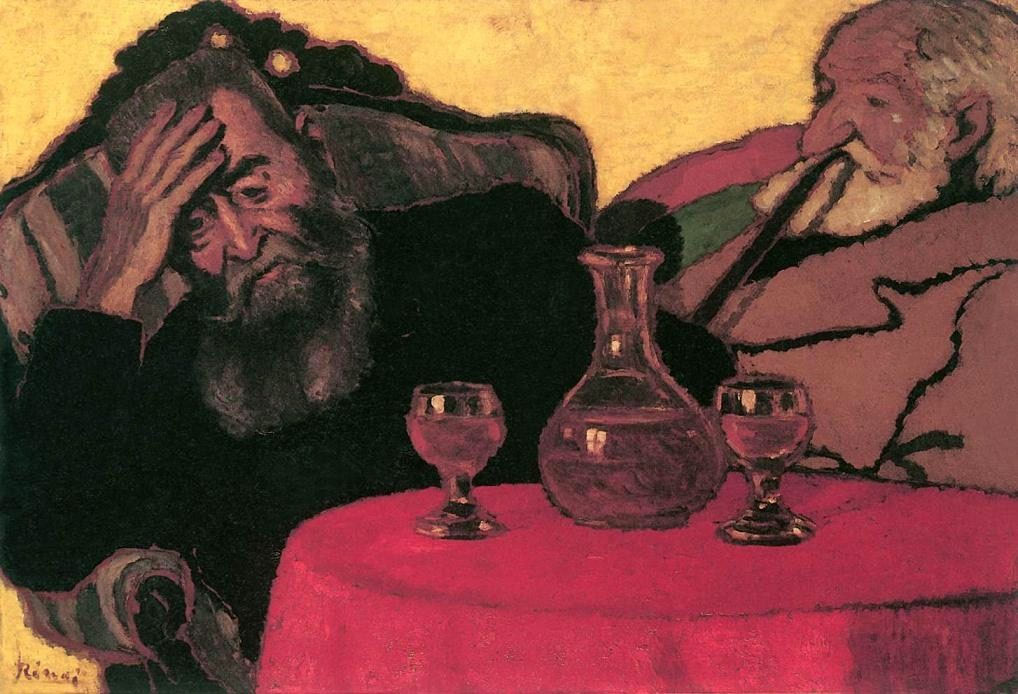
József Rippl-Rónai: Mein Vater und Herr Piacsek beim Rotwein, 1907

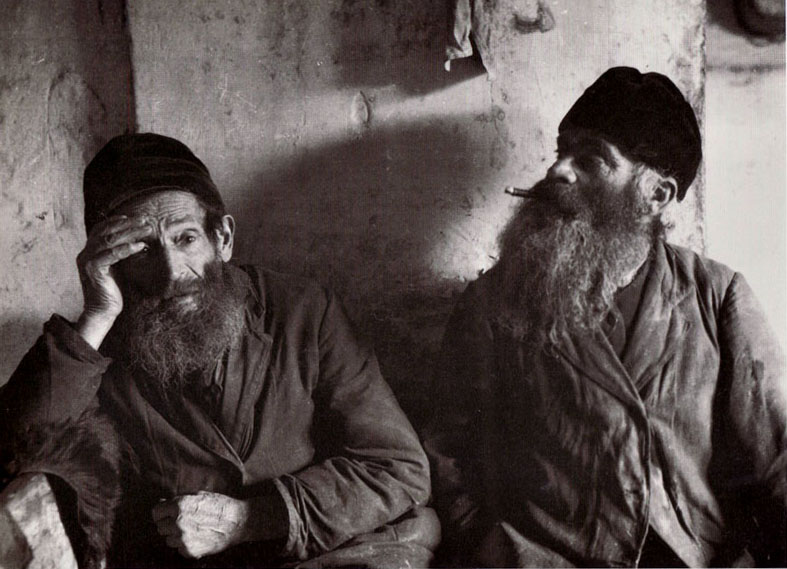
„Byale (Biała Podlaska, in der Provinz Lublin), 1926. Vater und Sohn. Um sich vor dem Bösen
zu schützen, will Leiser Bawół, der Schmied nicht sagen, wie alt er ist, aber er muss wohl
über hundert sein. Jetzt setzt sein Sohn das Schmieden fort, und der alte Mann ist ein
Arzt geworden. Er heilt gebrochene Arme und Beine.“ Foto von Alter Kacyzne

Lichtschrift

Hesperiden

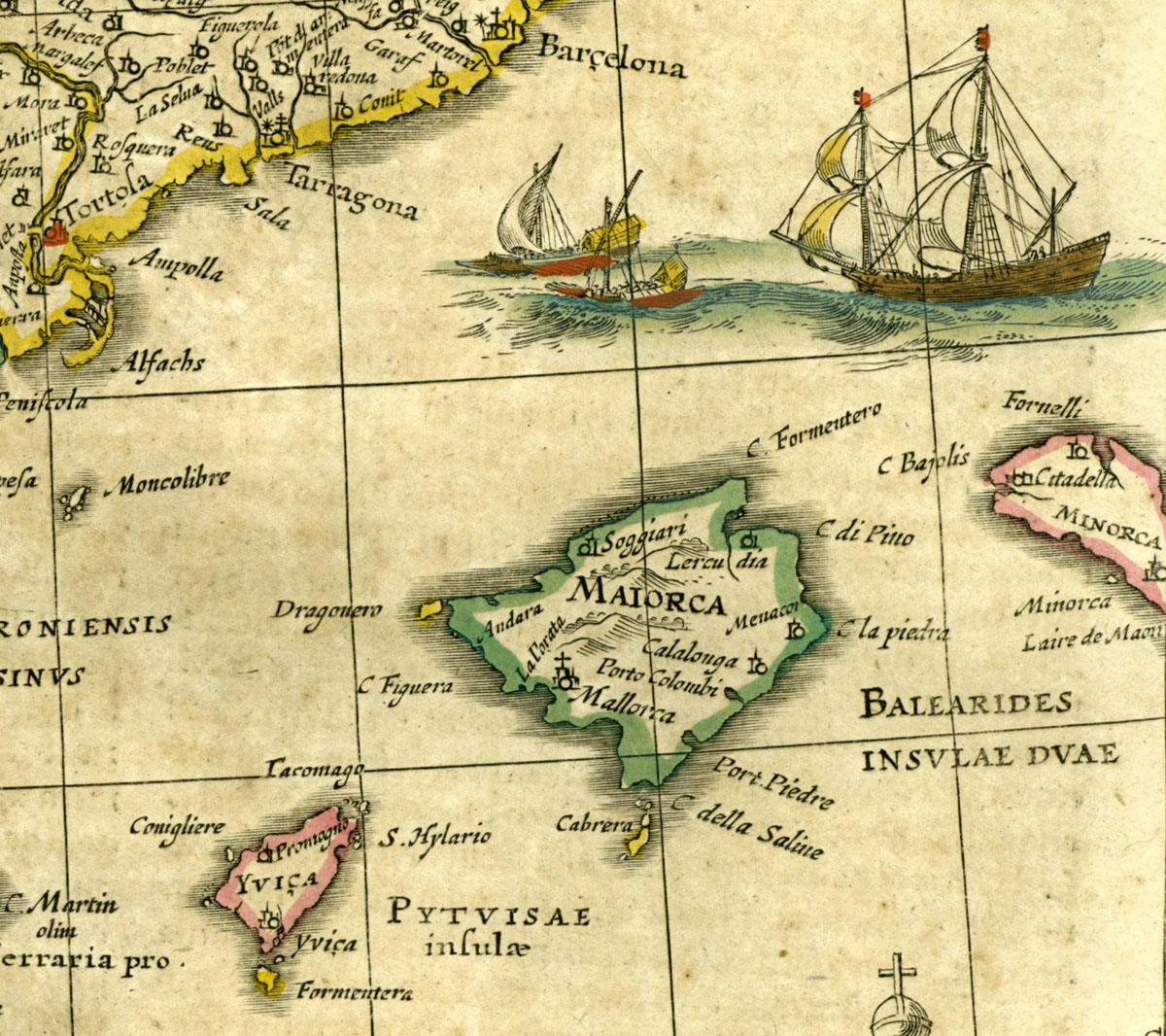
Mallorca and the Balearic Islands from the Atlas of Janssonius

Odysseus Elytis: Ο Ήλιος ο Ηλιάτορας
(The Sovereign Sun). Music by Dimitris Lagios, sung by Giorgos Dalaras (1982). First piece: The Song of the Sun


Εσείς στεριές και θάλασσες
τ' αμπέλια κι οι χρυσές ελιές

ακούτε τα χαμπέρια μου
μέσα στα μεσημέρια μου

«Σ' όλους τους τόπους κι αν γυρνώ
μόνον ετούτον αγαπώ!»

Από τη μέση του εγκρεμού
στη μέση του αλλού πελάγου

«Σ' όλους τους τόπους κι αν γυρνώ
μόνον ετούτον αγαπώ!»

Με τα μικρά χαμίνια του
καβάλα στα δελφίνια του

με τις κοπέλες τις γυμνές
που καίγονται στις αμμουδιές

«Σ' όλους τους τόπους κι αν γυρνώ
μόνον ετούτον αγαπώ!»


You rocks and seas
vines and golden olives

hear my word
as I follow my course:

I turn above all places
but I love this only one!


At the middle of the universe
among all the islands of the sea

I turn above all places
but I love this only one!


With its little rascals
riding on dolphins

with its nude girls
laying on the seashore:

I turn above all places
but I love this only one!
Palma
The City
The old Palma in the Escalas photos
The first velocipede in Mallorca
The Born promenade and Edison’s voice
Columns of the mosque
The Arabitch Bath
The Jewish quarter
Die „Uhr der Juden“ auf der Fassade des Rathauses (es)
Patios of Palma
Electri city
Doors of La Calatrava
Library of La Real
Rodin in Mallorca
The dragon of Mrs. Coc
Hidden dragons
Double-tailed plot
Biblioteca de Babel:
The house of my friend

Wang Wei looks out
of his studio

Snowfall in Palma
Restaurant Las Olas
The Basque restaurant Bodega Santurce
Bull’s tail
El Molinar neighborhood
Milenium bicycle shop
Amor en Palma
St. Anthony blessing the animals, 2009
Hl. Antonius segnet die Tiere, 2014
Die Prozession der Demonen am Tag des Hl. Antonius
On St. Sebastian’s feast
Sausage roasting on St. Sebastian’s day
Erasmus and St. Christopher
Yin-yang of St. Nicholas
Roman and Chinese flowers in Mallorca
Palma International
Holy Week in Palma
Karfreitagsprozession
Compression
Palma’s concrete coasts
Guts
Martian chronicles
Typo
History
After the feast
Night
Abschied

The Islands
Cabras, dragones, liebres
Sailing to Cabrera
Cabrera: the way to the peak
Serra de ses Figueres
The Western Mountains
Golden apples
More golden apples
Pebbles of Port d’es Canonge
The Governor’s Turn
The Postman’s Path
Deià
The Ermita de la Trinitat
The cats of the Tower
of the Souls

Lighthouses
Spring in San Telmo
Escorca
Sacred mountain

Chapel of Sant Llorenç

The Eastern Hills
and the Plains

Arab wine from Butibalausí
Fires of St. Anthony
The Albufera
Choking ants’ nests
Pollença
Some more Pollença
Sineu, Chinese colony
Sineu, Beijing time
Giants in Santanyí
Algaida, dance on the
feast of St. James’

Llucmajor, roof tiles
Hermit cats
Seashore of Ses Covetes

the rest
Journey to Mallorca, January 2014
The first olive oil from Mallorca
Nokia box and Cola Cao
Absurd poetry of the Balearic Government
“Balearic languages”
The beginnings of book printing in Mallorca
Goose Game 1652
Playing with bones
Memory of James the Conqueror
Rolevinck’ Fasciculus temporum
The demon of speed
Sea for sale. Llonovoy
Portuguese dance
Happiness
Agua


View Poemas del Río Wang in a larger map

Bestiarium


omnis mundi creatura
quasi liber et pictura
nobis est et speculum

jedes Geschöpf dieser Welt
für uns ein Bild und ein Wort
und ein echter Spiegel ist

Alanus ab Insulis
(1128-1202)


der vogel
Space for flying
God-bird 1
God-bird 2
God-bird 3
Chinese magpies
Persian thrust in Budapest
Armenischer Vogel in Venedig
Canari bird in London
Owl above the olive trees
Waiting for you, comrade bird

die nachtigall
Sephardic nightingales
Singing for the second time
Singing for the third time
The prisoner’s romance
The zorzal
Morning bird

der hahn
The rooster is crowing
Crowing for the second time

der rabe
Grow a crow

die taube
Stadttaube in Prag

der schmetterling
Heavenly and earthly love

der tiger
Tiger’s Year in Budapest
Paper tiger

die zwölf tiere
The great circle of time
Circular time
der hund
Dogs of God
The Trastevere’s dog
Lupus in tabula
Dogtours
Dogs of Sant Antoni
Sailor dogs
Semiramis’ dogs
Estonian military dogs
Dog on board
Frat dogs of Istanbul
Double-tailed dogs in Palma
Basket

der bär
Bear cub
Bear hunting
Hunter’s equipment
The bear fires back
Bear ceremony in Moscow
Wandering bear
The Bear King
Little and Great Bear
Wine to the Two Bears
The two envious bear cubs
The Hungarian and his bear
Bear cave
Fox Tale

der löwe
The educated lion
Lioness in Odesa
The lion’s tail
Double-tailed lion

und das lamm
Agnus Dei

ziegen in der welt!
Gorgan
Chongqing
Mallorca, West
Mallorca, North
Mallorca, South
Istanbul
The Holy Land
The Goat Island

der esel
Bookmobile

der affe
Monkey’s love
Kill King Kong!

der fuchs
Fox Tale
The fox and the cheese
The fox and the mouse
die katze
Muska
Yoshka
Hero cats of Leningrad
The Muromtsev Dacha
Cat funerals
Chinese cats
Cats in Mallorca
Cat in Cantabria
Argentine cats
The Cat Bride
Man with a Cat
The wind-swept spirit
Der Planet der Katzen

das kaninchen
Rabbit in the moon
Year of the rabbit

der elefant
Czech elephant
Chinese elephant
Argentine elephant
Portuguese elephant
Nazi elephant

das nashorn
0. Rhinocerology
1. The Pope’s rhinoceros
2. Rhino on the reverse
3. The first litter
4. The truth suppressed
5. A distant relative
Bookmobile

der drache/schlange/krokodil
Dragon invasion
Hidden dragons
Terra Sancta
Dragon anatomy
Die Schlange auf politischen Poster
Shaun Tans Schlange in Venedig
Blogger

der fisch
Little and big fishes
The big fish

der wal
Leviathan, or, The whale

das monster
Pantagruel’s monsters
The monster of Anatolia

die ameise
Ant marries

die grille/heuschrecke
Like the cicada
Winter grasshoppers

der käfer
Apotheosis of the bookworm


Wann wird das sein?


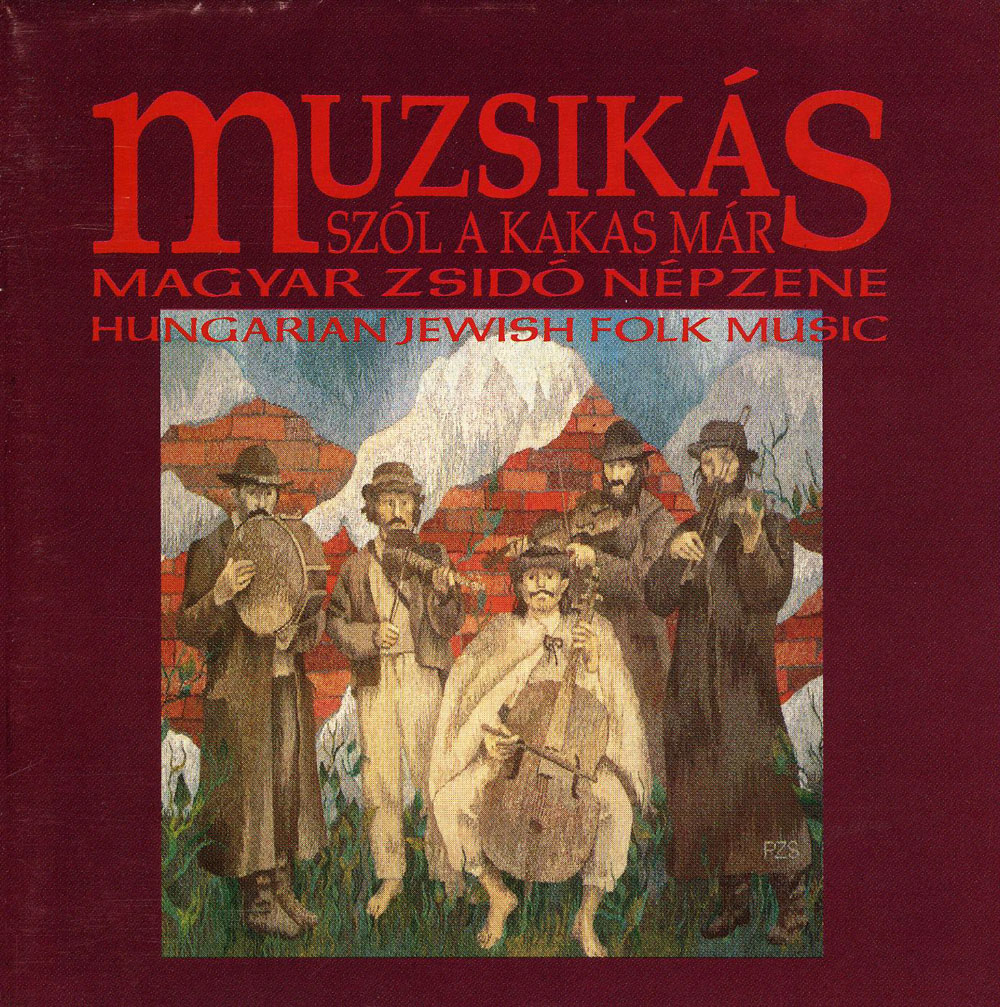
„Yibone ha-mikdosh ir Tziyoyn temale, dann wird das sein“ – singt Márta Sebestyén im titelgebenden Lied des Albums Der Hahn kräht vom Muzsikás Ensemble.


Márta Sebestyén und das Muzsikás Ensemble: Der Hahn kräht (3'06"). Von der CD Der Hahn kräht. Ungarisch-jüdische Volksmusik (1992). – Die CD wurde außerhalb Ungarns unter dem Titel Máramaros: The Lost Jewish Music of Transylvania veröffentlicht.
(Wir haben bereits über dieses Album mit Bezug auf die angeblichen jüdischen Wurzeln des Liedes „Bella ciao“ geschrieben. Das Muzsikás Ensemble besuchte die alten Zigeunermusiker, die auf den Festen der 1944 vernichteten chassidisch-jüdischen Gemeinden von Maramuresch gespielt haben, und von ihnen die Lieder dieser Gemeinden gesammelt.)

Szól a kakas már
Majd megvirrad már
Zöld erdőben, sík mezőben
sétál egy madár.

Micsoda madár,
Micsoda madár
Sárga lába, kék a szárnya
Engem odavár.

Várj, madár, várj
Te csak mindig várj
Ha az Isten néked rendelt
Tiéd leszek már.

Mikor lesz az már,
Mikor lesz az már?
Jibbone ha-mikdos ir Cijon tömale
Akkor lesz az már.
Der Hahn kräht bereits
Bald dämmert es herauf.
In grünem Wald, auf breitem Feld
wandelt ein Vogel.

Was für ein Vogel,
wundervoller Vogel!
gelbe Beine, blaue Flügel,
auf mich wartend.

Warte, Vogel, warte,
warte auf mich immer!
Wenn Gott mich dir bestellt hat
werde ich dein sein.

Wann wird das sein?
Wann wird das sein?
Yibone ha-mikdosh, ir Tziyoyn temale
Dann wird das sein.

Das heißt, wann…?

Vergeblich wenden wir uns für eine Erläuterung an die Broschur der CD. Dort können wir nur die legendäre Entstehungsgeschichte des Liedes in den Worten des Musikwissenschaftlers Bence Szabolcsi lesen:

Der chassidische Rabbiner Eizik Taub kam um 1780 nach Nagykálló als melamed (Lehrer) der Kinder des örtlichen raschekols (des Präsidents der jüdischen Gemeinde), und später wurde er Rabbiner der gleichen Stadt. Ein großer Liebhaber der Natur und ein poetischer Geist, einmal bei einem Spaziergang im Feld hörte er das Lied von einem kleinen Hirten, und er fühlte einen unwiderstehlichen Drang, es zu lernen. So kaufte er das Lied für zwei Forint. Sobald sie das Geschäft abgeschlossen haben, erlernte der Rabbiner das Lied, und der Hirtenjunge vergaß dasselbe. Seitdem fühlen es die Juden von Nordungarn für ihr eigenes Lied, und sie singen es in allen ihren religiösen Festen, weil sie den Text als eine allegorische Botschaft über das Kommen des Messias interpretieren.

Der Zaddik von Nagykálló
Von einem ungarischen Hirtenjunge kann sogar ein Zaddik nur ein authentisches ungarisches Volkslied kaufen. Auch Bence Szabolcsi bestätigt das: Der Hahn kräht „ist, sowohl in seinem Text und in der Melodie, eine nicht allzu bemerkenswerte Variante eines bekannten ungarischen Volkslieds, mit gewaltsam eingefügten hebräischen Zeilen“ („Népdalok“ [Volkslieder], in Az Egyenlőség Képes Folyóirata, 1921). Später werden wir mehr über diese „gewaltsamen Einfügungen“ sagen. Aber zuerst versuchen wir es herauszufinden, wie ein mehr oder weniger typisches ungarisches Volkslied so ein beliebtes chassidisch-jüdisches Lied werden konnte.

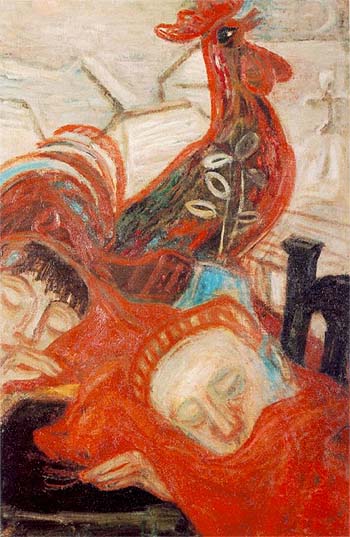
Ámos Imre: Auf die Dämmerung wartend, 1939Imre Ámos (1907-1944) aus der chassidischen Gemeinde von Nagykálló: Auf die Dämmerung wartend, 1939

Eine Antwort auf dieses Frage lässt sich in der Modalität dieses Lieds gefunden werden. Jüdische Musik – sowohl Klezmer und liturgische Kantorlieder –, ähnlich wie gregorianische Musik, fußt auf verschiedenen Modi oder Skalen, auf Jiddisch shteygers. Einer dieser Modi, der Ahavoh rabboh – so genannt nach den einleitenden Wörtern des in diesem Modus rezitierten Morgengebets mit dem gleichen Namen – ist besonders beliebt bei den chassidischen Juden. Eine große Zahl von Klezmerstücken chassidischer Herkunft und tish nigunim – auf Schabbat und hohen Feiertagen am Tisch des Rabbiners, oft in ekstatischer Stimmung gesungene Lieder – bauen sich auf dieser Skala.

Der Ahavoh rabboh entspricht einer modifizierten phrygischen Skala – daher sein in der Klezmermusik verwendeter jiddischer Namen, freygish –, wo der dritte Ton um einen Halbton erhöht wird: mi-fa-si-la-ti-do'-re'-mi'. Genau wie die meisten osteuropäischen Volkslieder, hat diese Skala keinen bestimmten „Besitzer“: der spanischer Flamenco nutzt sie und nennt sie „Zigeunerskala“, während sie in der arabischen und türkischen Musik als hijaz maqam bekannt ist. Und ein genauerer Blick auf unseres Volkslied Der Hahn kräht zeigt, dass es auf der gleichen phrygischen Skala mit dem erhöhten dritten Ton gebaut ist. So konnte die jüdische Gemeinde es ohne Änderungen in den Rahmen ihrer eigenen traditionellen musikalischen Welt aufnehmen und sich mit ihm identifizieren.

Hören wir ein Beispiel eines solchen freygishen Stück aus der traditionellen osteuropäischen Klezmerrepertoire: das jiddische Volkslied Az du furst avek – „Als du fahrst weg” in der Aufführung von Joel Rubin (C-Klarinette) und Joshua Horowitz (Tsimbl). Abgesehen von der freygishen Skala, auch die Rubato-Einführung und der langsame, anhaltende, aber strenge Rhythmus bestätigen die Verwandtschaft der beiden Lieder:


Rubin & Horowitz: Az Du Furst Avek (3'23"). Vom Album Bessarabian Symphony. Early Jewish Instrumental Music (1994).
(Joel Rubin und Joshua Horowitz versuchen auf diesem Album, die jüdische Instrumentalmusik der Ende des 19. Jahrhunderts zu rekonstruieren. Ähnlich wie bei dem aus den Aufführungen der Barockmusik bekannten „historischen Trend“, spielen sie auf historischen Instrumenten, und versuchen es, die authentische musikalische Praxis wiederbeleben, die durch schwankende Rhythmen, reiche Ornamentik, der häufige Gebrauch von Glissandi, und eine an der vokalen Technik viel näher stehende Aufführung gekennzeichnet war. Ihr Album ist jedoch viel mehr als eine einfache Wanderung kultureller Archäologie: es ist eine in sensibler und emotional reicher Weise gespielte, angenehme und lebensvolle Musik.)


Aber kehren wir noch zum Text des Liedes zurück. Abgesehen von der letzten Strophe ist es ein typisches ungarisches Liebeslied. Die Vogelallegorie der Liebhaber ist aus mehreren ungarischen Volksliedern bekannt. Die letzte Strophe ist allerdings eine späte Interpolation, die durch die chassidische Gemeinde – vielleicht durch Eizik Taub selbst – hingefügt wurde, und die das ganze Lied radikal neu interpretiert.

Die hebräische Zeile dieser Strophe ist ein wörtliches Zitat aus einem spätmittelalterlichen Piyut, einem jüdischen liturgischen Gedicht. Das Tzur mishelo genannte Piyut wurde von einem unbekannten nordfranzösischen Dichter nicht später als die zweite Hälfte des 14. Jahrhunderts geschrieben. Das Gedicht verbreitete schnell unter den jüdischen Gemeinden Europas, und es wird immer noch an jedem Schabbat am feierlichen Tisch als eine Einführung zum nachmahlzeitlichen Segen Birkat ha-mazon gesungen. – Es ist interessant festzustellen, dass die heute weit verbreitete Melodie des Tzur mishelo ist auf dem gleichen Modus Ahavoh rabboh gebaut, wie Der Hahn kräht.

Die Strophen des Tzur mishelo folgen die einzelnen Segen des Birkat ha-mazon, die an Gott für die Mahlzeit und für das an den Patriarchen gegebene Land Dank sagen, und dann für das Kommen des Messias und den Wiederaufbau des Tempels flehen.

Der Hahn kräht nahm von diesen Bitten die erste Zeile der letzten Strophe des Piyut: יבנה המקדש עיר ציון תמלא, in aschkenasischen Aussprache: Yibone ha-mikdosh, ir Tziyoyn temale. Das heißt: „Der Tempel wird wieder aufgebaut, und die Stadt von Sion sich wieder bevölkert.“ Dann wird das sein!

Diese Strophe hebt dieses Lied auf den Höhen des Hohenlieds. Wie in der traditionellen rabbinischen Auslegung die Liebhaber des Hohenlieds in allegorischer Weise die Sehnsucht des Ewigen Gottes und Seines Volkes nach einander darstellen, so sehnet der Sänger des Liedes Der Hahn kräht, als Vertreter des jüdischen Volkes in der Verbannung, nach seinen Geliebten, den Ewigen Gott, mit dem er nur in den kommenden messianischen Zeiten, nach der Rückkehr in das verheißene Land und den Wiederaufbau des Tempels von Jerusalem vereinen kann.

Dies ist, wie das beliebteste ungarische chassidische Lied aus der Ehe eines ungarischen Volksliedes mit einer potenziell jüdischer Melodie und einem auf transzendente Höhen erhobenen Liebesgedicht geboren wurde.

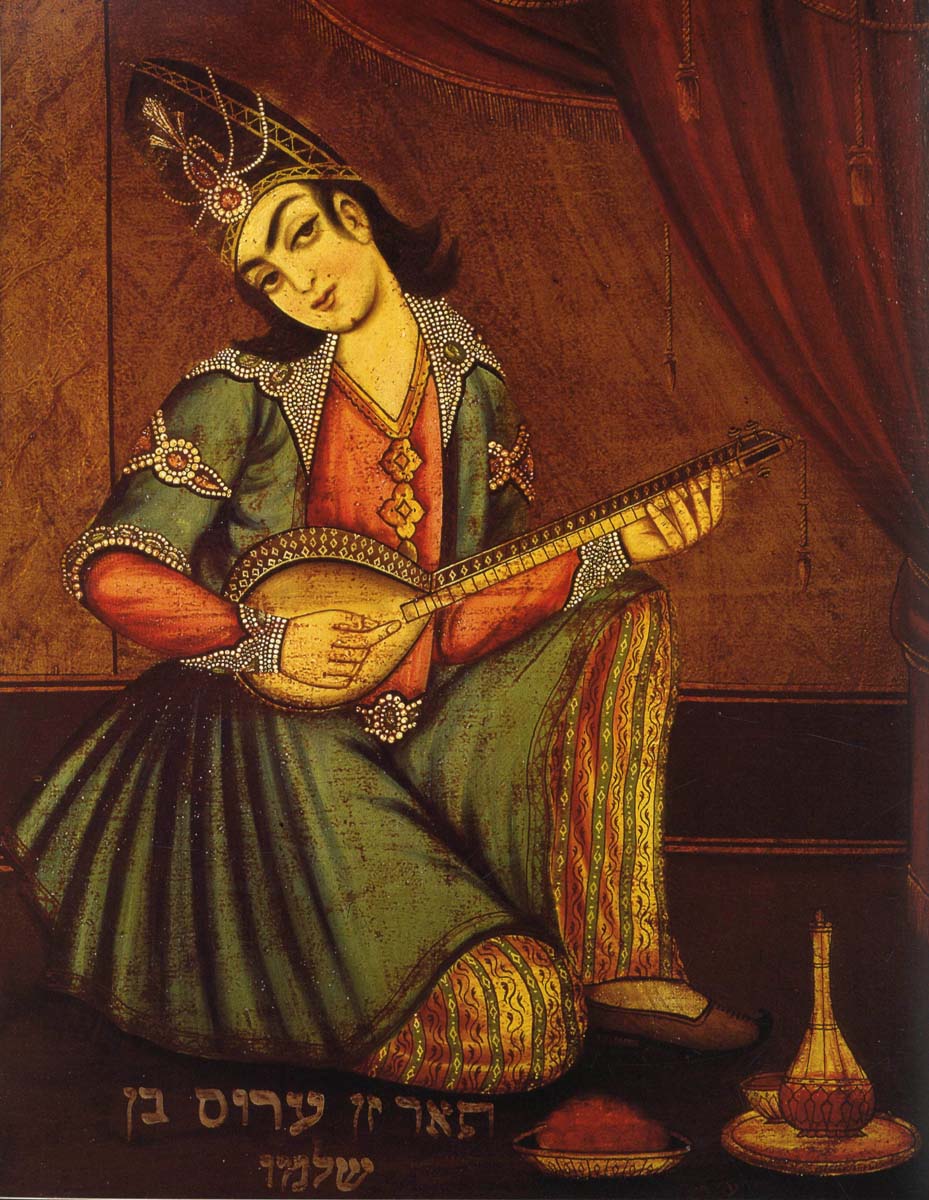
Arus ben Shelomo playing on tar. Left panel of a Persian Jewish double portrait, c. 1846Das „Bräutigam“-Stück eines persischen jüdischen Doppelporträts, c. 1846. Seine in persischer Sprache
und mit hebräischen Buchstaben geschriebene Inschrift ist: Târ-zan ʿArus
ben Shelomo
– „ʿArus ben Shelomo spielt auf Tar.

Aber die Geschichte ist noch lange nicht zu Ende. Es scheint, dass das Piyut Tzur mishelo eine geheimnisvolle Fähigkeit hat, Liebesgedichte zu inspirieren. Tausend Kilometer südlich von Nagykálló, in sephardisch-jüdischen Gemeinden ist das Tzur mishelo mit einem sehr populären Liebeslied verflochten, obwohl auch hier die Basis der Verwandtschaft eher die Melodie als der Text ist. Sephardische Juden singen auf die Melodie dieses Piyuts das Lied, das sowohl als Los bilbilicos cantan – „Die Nachtigallen singen“ –, und La rosa enflorece – „Die Rose blüht“ – bekannt ist.


Savina Yannatou und das Ensemble Primavera en Salonico: Los bilbilicos cantan – „Die Nachtigallen singen” (4'11"). Vom Album Άνοιξη στη Σαλονίκη (Frühling in Saloniki, 1995).
(Von dieser CD von Savina Yannatou, die die Lieder der ehemaligen sephardischen Gemeinde von Thessaloniki sammelt, haben wir bereits zwei Lieder in zwei Posts, hier und hier geschrieben. Dieses aus anatolischen sephardischen Gemeinden herkommende Lied ist unser dritter Favorit. Das Wort bilbilico, ʻNachtigall’, kommt aus dem türkischen bülbül, und ist mit einem sephardischen Diminutivsuffix vorgesehen, während der Ausdruck „der Mond ist verwundet“ ist eine aus der hohen Literatur entlehnte Formel für den langsam verschwindenden Mond.)

La rosa enflorese
hoy en el mes de may
mi alma s’escurese
firiendose el lunar

Los bilbilicos cantan
con sospiros de aver,
mi alma i mi ventura
estan en tu poder.

Los bilbilicos cantan
en los arvos de la flor,
debacho se asentan
los ke sufren de amor.

Mas presto ven, colomba
mas presto ven con mí,
mas presto ven, keridha,
corre i salvame.
Die Rose blüht
jetzt, im Monat Mai,
meine Seele verdunkelt sich
als der Mond ist verwundet.

Die Nachtigallen singen
mit sensuchtsvollen Seufzern,
meine Seele und mein Schicksal
liegen in deinen Händen.

Die Nachtigallen singen
auf den blühenden Bäumen,
unter ihnen sitzen
die an Liebe leiden.

Eile schnell, Taube,
eile schell zu mir,
eile schnell, meine Liebe,
eile, rette mich.

Rachel painting her eyebrows. Right panel of a Persian Jewish double portrait, c. 1846Das „Braut“-Stück eines persischen jüdischen Doppelporträts, c. 1846. Seine in persischer Sprache
und mit hebräischen Buchstaben geschriebene Inschrift ist: Rahel dar hâl
vasmeh keshidan
– „Rachel malt sich die Augenbrauen.“

Und schließlich hören wir Der Hahn kräht in der Aufführung seines am meisten authentischen Darstellers, Rabbiner Eizik Taubs sechsten Nachkommen in direkter väterlicher Linie: Rebbe Menachem Mendel Taub, der Rabbiner der Kaliver – „aus Nagykálló“ – chassidischen Dynastie. Ich weiß nicht, wie fließend der Kaliver Rebbe in ungarischen Sprache ist, aber in jedem Fall singt er Der Hahn kräht mit einem unverwechselbaren Akzent des Komitats Szabolcs, der traditionellen Region um Nagykálló. In Jerusalem, an jedem Schabbat, in ungarischer Sprache.